





Souss Massa National Park hero background

Souss-Massa, Morocco · Protected since 1991

Souss Massa National Park: Morocco's Last Wild Sanctuary for the Northern Bald Ibis

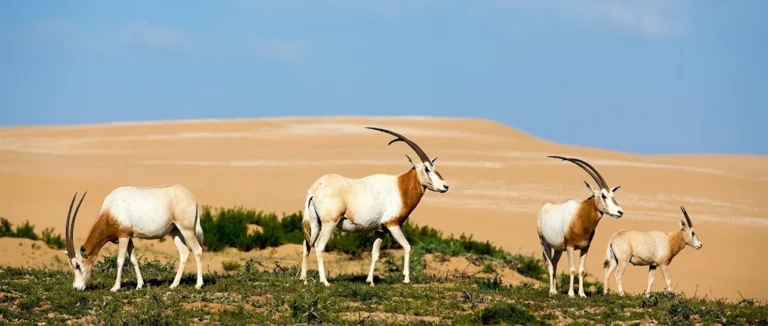
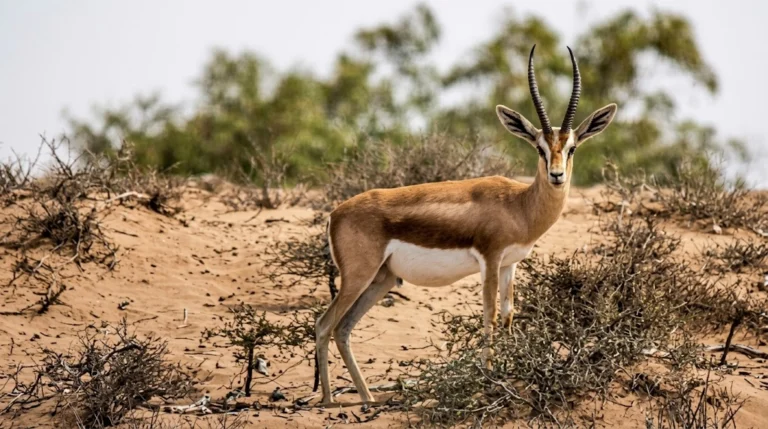
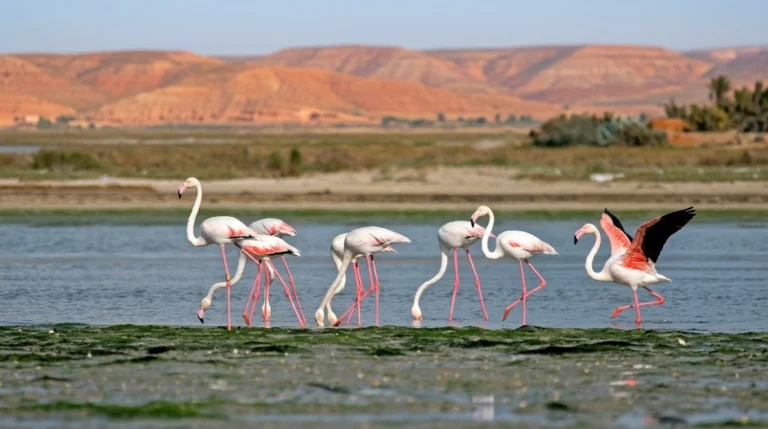
Discover a remarkable 33,800-hectare landscape of Atlantic wetlands, coastal cliffs, dunes, and open steppe in Morocco. Souss-Massa National Park is home to the endangered Northern Bald Ibis, Dorcas gazelles, flamingos, and reintroduced Scimitar-horned Oryx.

1991
Park established
33,800 ha
Protected area
275+
Bird species recorded
Last wild colony
Northern Bald Ibis

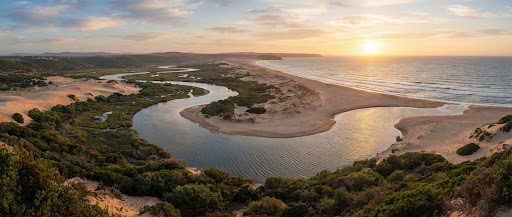
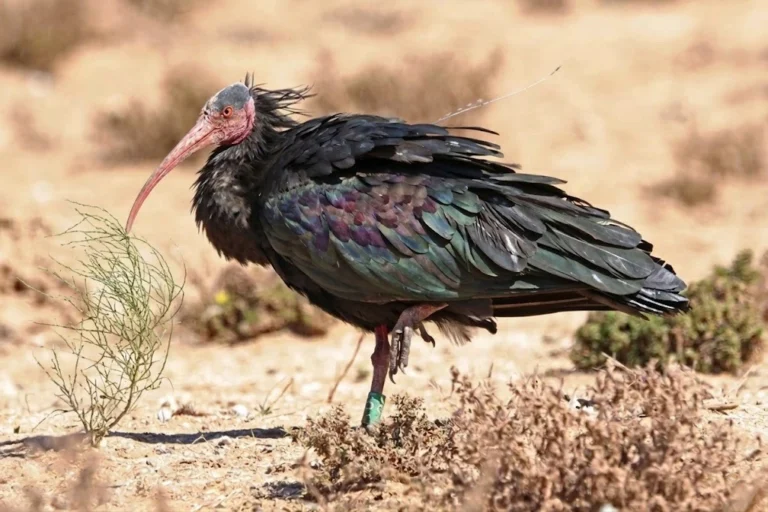
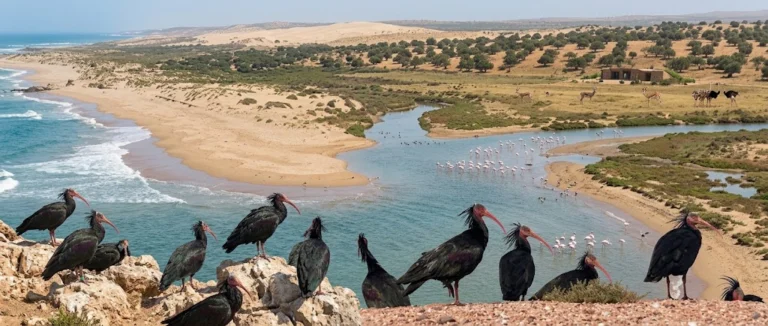
Souss-Massa National Park stretches along Morocco's Atlantic coast between Agadir and Tiznit. Its diverse landscapes include the Oued Massa and Oued Souss estuaries, coastal cliffs, wetlands, dunes, and semi-arid plains. The park is particularly important for the conservation of the critically endangered Northern Bald Ibis, one of the rarest bird species in the world.

Established in 1991, the park protects several important ecosystems that support a rich variety of wildlife. More than 275 bird species have been recorded in the area, including flamingos, ospreys, and marbled ducks. Its habitats are also home to Dorcas gazelles, Scimitar-horned Oryx, and many other species.

Many visitors explore Souss-Massa National Park from Agadir or Taghazout on a half-day or full-day excursion. Depending on the route, a visit can include birdwatching, wildlife observation, a 4x4 journey across the steppe, and time around the Oued Massa estuary.

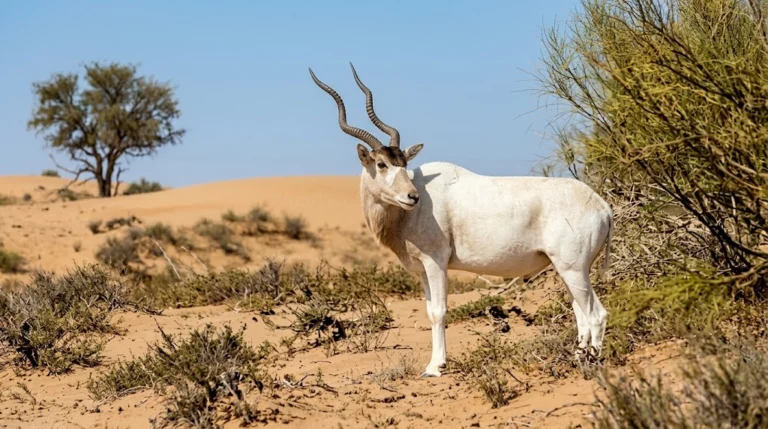
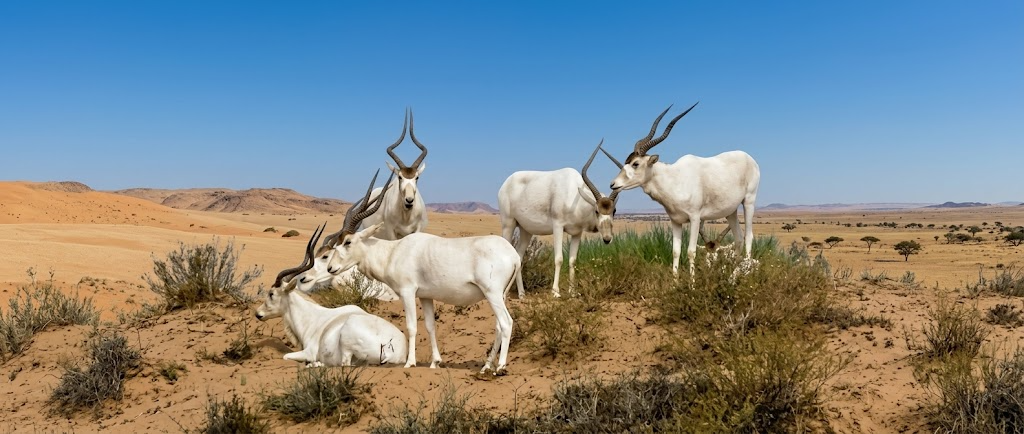
Addax antelope in Souss-Massa National Park

Our Legacy

Conservation Through Commitment

Since 1991, the park has combined species reintroduction, wetland restoration, and community partnership to reverse decades of habitat loss along this stretch of coast.

91

Park Established

Designated a national park to protect the last wild Northern Bald Ibis nesting sites on the Atlantic coast.

04

Reintroduction Program Begins

Scimitar Oryx and Addax reintroduced into fenced reserves after regional extinction.

Now

Community Partnership

Local guides, fishermen, and farmers work alongside park rangers on habitat monitoring and restoration.

Visitor Access

How to Get to Souss-Massa National Park from Agadir

Souss-Massa National Park is located south of Agadir along Morocco's Atlantic coast. The park has two main visitor access points, at Rokein and Sidi Binzarne, each offering a different way to explore its landscapes and wildlife. Both can be visited as day trips from Agadir.

By Car

Driving is one of the easiest ways to reach the park. You can travel south from Agadir and follow the roads towards the Rokein reserve or Sidi Binzarne, depending on which area you want to visit.

By Guided Tour

Visitors staying in Agadir or nearby resorts can arrange a guided excursion. A local guide can help with transportation, finding wildlife and choosing suitable observation areas.

By Public Transport

Public transport can take you towards nearby towns and villages, but reaching the visitor areas may require additional transport or walking. Check local connections before setting out.

Approximate distances from Agadir:

  • Rokein: approximately 15 km south of Agadir.
  • Sidi Binzarne: approximately 60 km south of Agadir.

Travel times depend on traffic, road conditions and your exact starting point. Before leaving, check the route to your chosen entrance rather than simply searching for the park's general location.

Park Access Points

Park Entrances: Rokein and Sidi Binzarne

Souss-Massa National Park covers a large area, so choosing the right entrance can make a big difference to your visit. The Rokein and Sidi Binzarne access points lead to different natural environments and wildlife experiences.

1. Rokein Reserve

Located approximately 15 km south of Agadir, Rokein is the northern visitor access point associated with the park's wildlife acclimatization area. It is particularly interesting for visitors hoping to learn about the conservation of Saharan animals.

What to look for:

  • Dorcas gazelles
  • Scimitar-horned Oryx
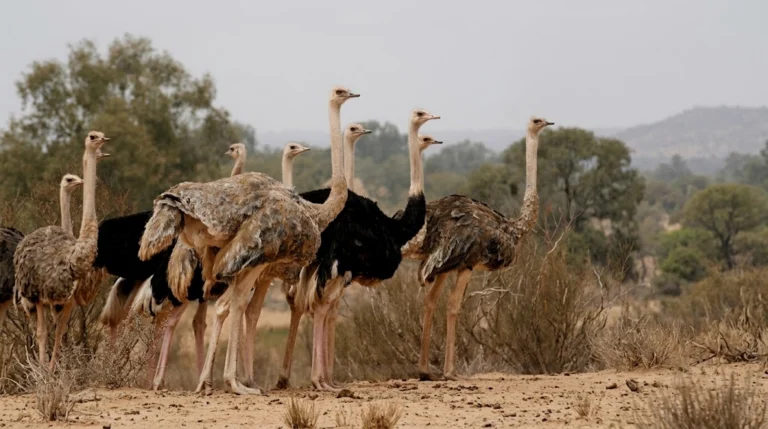
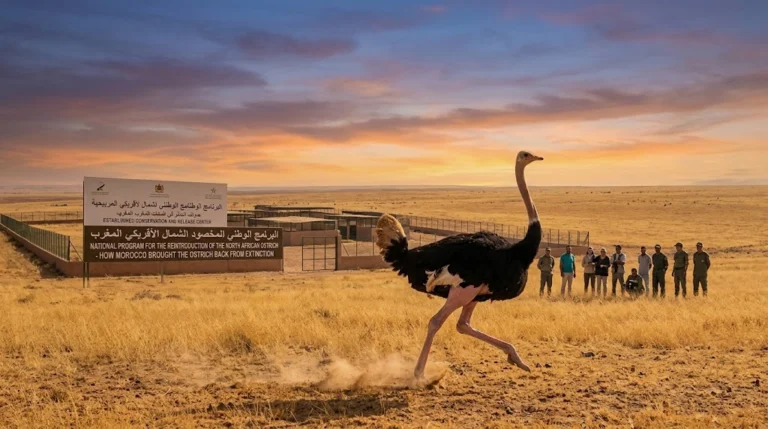
  • North African ostriches
  • Other wildlife involved in conservation and reintroduction programmes
View Rokein on Google Maps →

2. Sidi Binzarne and the Massa Area

Around 60 km south of Agadir, the Sidi Binzarne access point leads towards the Massa area and its important wetland habitats. This part of the park is especially interesting for birdwatching and observing the landscapes around the Oued Massa estuary.

What to look for:

  • Northern Bald Ibis
  • Greater Flamingos
  • Ospreys and other migratory birds
  • Wetlands, riverbanks and coastal landscapes
View Sidi Binzarne on Google Maps →

Which entrance should you choose? Choose Rokein if you are mainly interested in the park's Saharan wildlife and conservation areas. Choose Sidi Binzarne and the Massa area if your priority is wetlands, birdwatching and the Oued Massa landscape. Check access arrangements and available guided visits before travelling.

Experiences

Things to Do in Souss-Massa National Park

From watching rare birds around the wetlands to discovering Saharan wildlife in protected habitats, Souss-Massa National Park offers several experiences for nature lovers. Whether you visit independently where access is permitted or join a guided excursion, there is plenty to discover.

Birdwatching

Explore the park's wetlands and estuaries, which provide important habitats for resident and migratory birds. Look out for flamingos, spoonbills, ospreys and the endangered Northern Bald Ibis.

Wildlife Observation

Discover the park's wildlife and conservation areas, including Dorcas gazelles, Scimitar-horned Oryx and North African ostriches. Sightings depend on the area, season and conditions.

Nature Walks

Enjoy the natural scenery around the park's wetlands, coastal areas and open landscapes. Follow designated paths and respect restricted conservation zones.

Guided Excursions

Join a local eco-guide to learn about the park's ecosystems, wildlife and conservation work. Guided visits can also help you choose suitable routes and observation spots.

A guided visit is a good option if you want to understand the park's biodiversity and explore areas that may be difficult to reach independently. Ask about the route, duration and included activities before booking.

Seasonal Guide

Best Time to Visit Souss-Massa National Park

Souss-Massa National Park can be explored throughout the year, but the best time depends on what you want to see. Spring and autumn are particularly interesting for birdwatching, while cooler months can make exploring the open landscapes more comfortable.

Spring (March to May)

A pleasant period for exploring the park, observing wildlife and enjoying greener landscapes. It is also a good season for nature photography.

Summer (June to August)

Temperatures can become high, particularly in exposed areas. Plan outdoor activities for the cooler parts of the day and bring enough water and sun protection.

Autumn (September to November)

A good period for birdwatching as migratory birds begin returning to the region. The wetlands can offer interesting opportunities for observing different species.

Winter (December to February)

An interesting season for observing wintering waterbirds and exploring the coastal wetlands. Bring suitable clothing for cooler temperatures and Atlantic winds.

What Is the Best Time of Day?

Early morning and late afternoon are generally good times for wildlife observation. Temperatures are often more comfortable, and birds and other animals may be easier to spot during these quieter hours.

For the best experience, bring binoculars, comfortable walking shoes, sun protection and drinking water. Wildlife sightings are never guaranteed, so allow enough time to explore and enjoy the natural surroundings.

Common Questions

Planning Your Visit

Is Souss Massa National Park worth visiting?
Yes. It's one of only two places on earth where the endangered Northern Bald Ibis breeds in the wild, alongside Dorcas gazelle, reintroduced Scimitar Oryx, and over 275 recorded bird species.
How do I get to Souss Massa National Park from Agadir?
The entrance nearest the Oued Massa estuary is roughly 60 km south of Agadir, about a 45 to 60 minute drive along the coastal road. Guided transport is included with most organized tours.
What is the best time to visit?
Early morning, between 7 and 10 AM, offers the best wildlife activity and light. October through April is peak migration season, when flamingo, osprey, and other migratory species pass through.
Can I see the Northern Bald Ibis year round?
Yes, the resident colony does not migrate and can be observed on the coastal nesting cliffs throughout the year, though early morning sightings tend to be most reliable.
How much does it cost to enter the park?
Independent entry is low cost, generally a few dollars per person. Guided tours that include transport, a park guide, and equipment are priced separately based on group size.
Are guided tours mandatory?
While you can explore certain public trails independently, hiring a licensed park guide or joining an authorized tour is highly recommended for safety, navigation, and optimal wildlife sightings.
Is the park accessible for families and children?
Yes, many paths around the visitor center and lower estuarine trails are flat and family-friendly. Guided 4x4 safaris are also great for visitors of all ages.
What should I wear and bring when visiting?
Comfortable walking shoes, sun protection (hat, sunscreen), binoculars, and a camera with a zoom lens are recommended. Bring water and light layers as coastal breezes can be cool.
Are there food and restroom facilities inside the park?
Restroom facilities are available at the main park entrance and visitor center. Nearby villages such as Massa offer authentic local restaurants and cafes.
How does my visit support conservation?
A portion of park entrance and guided tour fees goes directly toward species protection programs, community eco-guards, and wetland habitat restoration projects.
Collaborating for Nature

Our Partners & Supporters

Proudly collaborating with national authorities, international conservation alliances, and scientific institutions to protect Souss-Massa.

What Travelers Say About Souss Massa National Park

Real Reviews From Guests Who Visited Park

Souss-Massa National Park place picture
4.4
Based on 1,680 reviews
Yahya profile picture
Yahya
3 months ago
Souss-Massa National Park is a super cool place to visit if you love nature and want a break from Agadir. It is right on the coast and has everything from huge sand dunes to empty beaches and rivers. The best part is seeing the cool animals, like pink flamingos, wild ostriches, antelopes, and some super rare birds. You can take a 4x4 ride to spot the animals or walk by the cliffs to see old caves where fishermen live. It is quiet, beautiful, and a really fun day trip if you want to see the wild side of Morocco.

Ikram el M. profile picture
Ikram el M.
3 months ago
Hassan EL J. profile picture
Hassan EL J.
3 months ago
A truly beautiful place to discover. Souss-Massa National Park is a genuine protected nature reserve, boasting a stunning diversity of landscapes, wildlife, and birds. The area is peaceful and pleasant for nature lovers and those wishing to explore the region's natural riches. It's an interesting experience, especially with some time to observe the animals and enjoy the scenery. I highly recommend a visit to anyone who appreciates unspoiled natural spaces.

Hinesh T. profile picture
Hinesh T.
5 months ago
We went quad biking here! Had a great experience, off road, and sand dunes, bikes were really fast unlike some places where speed is restricted. Followed a group of 5 quads with a leader for around 2 hours, included sand boarding, tea, and pictures breaks. Make sure to wear clothes you dont mind getting dirty with dust and sand.

Tracey M. profile picture
Tracey M.
7 months ago
Interesting experience to see some of the animals around Morocco. The number of ostrich were incredible. Able to get really close to animals to get great pictures from vehicles.

Sandra S. profile picture
Sandra S.
7 months ago
This is a total gem. We were here in January and the nature was lush. All the animals lived there freely and it was amazing. It’s totally amazing.

김수민 profile picture
김수민
10 months ago
Highly recommend this incredible wildlife experience! ​I booked a tour through GetYourGuide and it was absolutely fantastic. If you’re visiting, I highly recommend a route that includes Tifnit village, Sidi Bibi, and a lunch stop at a Kasbah. It makes the trip so much richer! ​We saw ostriches, gazelles, and Ibises up close, and the 4x4 off-roading through the small desert was a thrilling bonus. Even in the cooler season, the scenery and wildlife were stunning. It’s a must-do for nature lovers in Agadir!